Free Marketing Toolkit Opt-in
(02) 42444411 info@ybrmarketing.com.au
Marketing FAQs

Marketing FAQs

When it comes to digital marketing, there are four main types:

Social Media Marketing (SMM)

Social Media Optimization (SMO)

Search Engine Optimization (SEO)

Pay-Per Click Advertising (PPC)

Social media marketing (SMM) is a way for businesses to connect with their customers, potential customers, and partners through social media platforms. SMM is a type of digital marketing that uses social media platforms to market a product or service.

The purpose of SMM is to increase brand awareness and generate leads by encouraging people who visit your social media pages to engage with your brand by liking your posts, commenting on them, or sharing them with their friends on Facebook or Twitter.

SMM can help you create buzz about your products, services, and events before they happen so that people who may be interested in what you have to offer know about it ahead of time. It also allows you to respond quickly to customer feedback or concerns so that you can address problems as soon as possible and build trust among current and potential customers.

Social media optimisation (SMO) is a strategy for increasing the visibility of a website or brand on social media. It involves creating content that is shared across different platforms, such as Facebook, Twitter, Instagram and LinkedIn.

A good SMO campaign will increase the number of followers of your pages, which can then drive traffic to your website and boost conversions.

Search Engine Optimisation (SEO) is the process of increasing your website’s ranking in search engine results pages (SERPs) through organic search engine results. It’s a marketing technique that helps you to improve your website’s visibility on search engines, like Google.

There are many factors that contribute to SEO, including your content and how well it’s written, the keywords used in your content, and the number of backlinks pointing to your site from other sites.

In order to rank well in search engines, you need to understand how they work and what they’re looking for when they crawl the web. If you want to get ranked high on Google or Bing, then you’ll need quality content that people want to read – but also keywords related to your niche which people are searching for online right now!

Pay-per-click advertising (PPC) is a type of paid advertising on the internet that costs you only when someone clicks on your ad.

It’s an incredibly effective way to get your ads in front of people who are actively looking for what you’re offering.

PPC ads can be placed on search engines, social media platforms, and other websites where users are actively searching for something related to what you’re selling.

You can set a budget for your PPC campaign so that you don’t spend more than you want to.

The best part? If someone clicks on your ad but isn’t interested in what you’re selling, they won’t cost you anything!

A paid strategy is a strategy that involves the use of paid advertising, rather than organic traffic (which is unpaid), to drive traffic to your site.

CPA, or Cost Per Action, is a type of marketing that compensates a business for the direct results of running an ad. For example, say you own a pizza parlor, and you run an ad on Google telling people to come and buy your pizzas online. If one customer buys a pizza online as the result of seeing your ad, then you get paid for that sale. The specific dollar amount you can receive depends on what kind of action the ad was intended to drive.

This type of marketing is great for businesses who are just starting out and don’t have much money to spend, because it only costs money when you have sales. And who doesn’t want that?

CPA marketing is a type of pay-per-action advertising, where an advertiser pays only when a person takes a particular action. The advertiser doesn’t pay unless that action is performed, so CPA marketing is sometimes used to refer to cost per acquisition or cost per lead.

This type of conversion-based marketing has been around for more than a decade, and it’s gaining popularity in online advertising as older methods of online marketing like pay-per-click are becoming less effective.

Cost-Per Click (CPC) advertising is a method of advertising that allows advertisers to pay for each time a user clicks on their ad. This type of advertising is very common in the internet industry, and it is used by many companies who want to promote their products and services.

CPC is one of the most popular forms of online advertising. It has been around for many years and has proven to be very effective at helping companies advertise their products. In fact, more than 80% of all online searches are done using this method.

The main advantage of CPC advertising is that you only pay when someone clicks on your ad and goes through to your website or landing page. This means that you only pay if there’s an interest in what you have to offer!

Do you want to grow your business? If the answer is “yes,” then you need to advertise.

Advertising is the best way to get your business in front of the right people at the right time. When you advertise, you are able to control how and when potential customers reach out to you and make sure that your message is getting across to them.

If you’re looking for a quick and easy way to scale your business, then advertising is it. You can set up an ad in as little as a day and start getting results immediately—all without having to spend a ton of money or get bogged down in complicated strategies. It’s no secret that advertising has been around for centuries—it’s tried-and-true!

In fact, most successful businesses today have invested heavily in advertising. It’s not just about getting the word out there; advertising can help build awareness for your brand, reach new customers, and keep existing customers coming back again and again.

How much should a business spend on advertising?

According to the American Association of Advertising Agencies, businesses spend between 0.5% and 2.5% of their revenue on ads. This number represents a good starting point for smaller companies, and a reasonable upper limit for mid-sized companies with more established client bases.

A company’s industry can also have an effect on their advertising budget. For example, many businesses in the retail sector spend at least 1% of their revenue on advertising, whereas businesses in the services sector typically spend less than 1%.

It is a common misconception that you should be focusing on one or two metrics when setting up your PPC account. However, a more effective approach is to look at all of the metrics and adjust your strategy based on what you find.

Typical metrics that people focus on are:

#1: Cost per conversion: This is how much it costs for every single person who buys from you.

#2: Cost per click: This is how much it costs for every single person who clicks on your ads.

#3: Conversion rate: How many people who click on your ad end up making a purchase at your site.

#4: Click through rate (CTR): This is how many times a person clicks on your ad after seeing it.

These metrics are important, but they’re not enough to tell the whole story. You should also look at things like:

#5: Average order value (AOV): Average amount spent by someone who buys from you, including shipping costs and taxes.

#6: Sales velocity Total number of sales divided by the total number of impressions your ads have received in the past month.

#7: Customer retention rate Number of returning customers divided by the number of new customers in the past month

Testing a PPC campaign is a multi-step process that involves both qualitative and quantitative analysis.

First, you need to analyze the effectiveness of your ad copy. To do this, you need to track how many people click on your ads. You can do this by using Google Analytics to see how many visitors come from each ad.

Next, you should examine the quality of those clicks. You want to make sure that the people who click on your ads are qualified leads—the kind of people who are likely to buy what you’re selling in your ads. This will help you determine if you need to tweak your ad copy or target audience.

Finally, once you’ve determined that your ad copy is effective and that it’s bringing in qualified leads, it’s time to analyze the effectiveness of your landing pages. You can do this by measuring how many people actually convert on those landing pages (i.e., purchase something).

Google Ads charges you for your ads on a pay-per-click (PPC) basis. That means that you don’t pay anything until someone clicks on your ad—and then you’ll be charged the amount determined by what you’re bidding.

So, if you bid $5 on a certain keyword, and someone searches for that keyword and clicks on your ad, you’ll be charged $5. If no one clicks on your ad, then it won’t cost you anything at all—so there’s really no risk in trying.

You can also set a daily budget for how much you want to spend each day on Google Ads. This means that if anyone ever clicks your ad, the total of all those clicks will never exceed your daily limit. So, if your daily budget is $10, and someone clicks on your ad 15 times in one day, then you’ll only be charged $10—not the total amount of all 15 clicks.

This approach allows you to maintain control over how much money is being spent each day on Google Ads for your business.

The difference between conversions and all conversions in Google Ads is that the former refers to the specific number of conversions you have, while the latter refers to the total number of conversions that have occurred when using your ad.

In other words, if you run an ad for a week and get 10 conversions, but one of those people also buys a product from your website on a different day, then you’ll see “10” in your conversion column, but if you look at all conversions (and you click on the “All Conversions” tab), you’ll see that there were 11 total conversions. This is because Google takes into account all of these extra purchases when determining all conversions.

If your Google Ad account is suspended, it means that Google has found that you have violated one of their policies.

Google can suspend an entire account or just certain parts of it. They will tell you which part or parts are suspended. You can find out more about this in the suspension notice they send to your registered email address. You can also find it in your account by following these steps:

1. Sign in to your Google Ads account at ads.google.com.

2. In the page menu on the left, click Settings.

3. Click Account access under “Account settings.”

4. Click Suspensions to see the details of the suspension, including a link to the policy that was violated and how long the suspension will last.

5. Review the information about why your account was suspended, then click Request review if you think your suspension was a mistake and would like to appeal it (this option will only be available if you haven’t requested a review yet).

6. If you think that your ad was incorrectly disapproved for violating our advertising policies, click Appeal an approval decision in the same section.

If you want to create content that attracts traffic and leads to conversion, your main focus should be on the results of your service or product.

Customers don’t care about the features that make up your service or product—they care about what it will do for them. So don’t waste time talking about how great your service or product is, dive right in to what it can do for your customers.

I can’t tell you how many times I’ve been asked that question.

It’s a good design, and it’s probably got a lot of great features, but if your visitors are leaving after they see your landing page, you’re not going to get anywhere. The best way to fix this problem is to make sure that your landing page is clear and concise. If you have too much information on the page or too many images, then you’ll scare people off before they even get a chance to see what your site has to offer.

The first thing you should do is look at what other companies in your industry are doing in terms of their landing pages. This will give you an idea of what works and what doesn’t work when it comes to getting people interested in visiting your site. Then take some time tweaking your own landing page so that it matches up with these examples as closely as possible.

The most important thing to do it conduct a competitor analysis and see where there is a gap you could fill in the market with your product.

You can make your product different from your competitors’ in a variety of ways, including:

– Price: Make yours cheaper or more expensive than theirs.

– Quality: Make yours better or worse than theirs.

– Distribution: Make yours available to a wider audience than theirs is, or vice versa.

– Positioning: where you want your product to be positioned in the market, ie whether it be a high end product or be exclusive..

Digital marketing tools are a boon for the marketers in this digital age. With such tools, the marketers can automate their routine tasks and give more time to their creative side. Digital marketing tools have made it possible to remove all the repetitive tasks from the shoulders of the marketers so that they can focus on creating strategies and implementing them in a better way.

Digital marketing tools help in saving a lot of time of the marketers as they help them to do analytics and create reports about their marketing campaigns. They also help them in doing SEO, social media management, content creation, and other digital marketing activities easily.

With these tools, the marketers don’t need to worry about what is happening with their campaign as these tools will keep them updated about every single thing that takes place within their campaign.

To optimize your videos, you need to leverage your SEO efforts in tandem with your video marketing strategy. Here are some things you can do:

* Make sure your videos are optimized for the keywords you want to rank for by including keywords in the title, description, and tags.

* Include a call-to-action on the first frame of your video and in the description so that people know how to interact with the content.

* Embed links to relevant pages on your website on all sites where the video is posted, as well as include links in the video’s description. This will help drive traffic back to your site.

* Your videos should be optimized for mobile devices so that they’re easily accessible from anywhere at any time, even if someone doesn’t have an internet connection (like when they’re on an airplane). Make sure they’re also easy to share with others via email or social media platforms like Facebook and Instagram.

* Create playlists of related video content so viewers can watch more than one piece of content at a time without having to navigate away from their current location.

There are many differences between web content designed to rank and content that is written to be read. The most important difference is that the content designed to rank focuses on keywords and keyword density, while the content designed for reading is written for a reader’s interests and comprehension.

Keyword density refers to how many times a keyword or phrase appears on a page in relation to how many total words are on that page. This is an important metric because search engines like Google use it as an indication of how relevant a website is related to a search term. So, if you want your website to rank high in Google results, you’d want it to have high keyword density—but if you just want people who come across your site to be able to understand what you’re saying, then having high keyword density might not be the best way to go about it.

In order to write content that’s meant for reading rather than ranking, here are some tips:

1) Use long sentences with few commas

2) Use short paragraphs instead of one big paragraph (you can also use bullet points or numbered lists instead)

3) Don’t use complex words.

Digital ads can be a powerful way to reach your customers and potential customers. The key is knowing what to include and what not to include.

Here are some tips:

-Be concise. Your potential customer is busy and they don’t want to spend too much time reading a bunch of text. Make sure the copy is brief, but also covers all the important points you want to make.

-Use images that are relevant, eye-catching, and convey a message about your product or service. You want people looking at your ad on social media or in an email newsletter to know immediately what it’s about without having to scroll down or read a lot of text first.

-Make sure it’s clear how people can get in touch with you if they have questions about what you’re offering (or if they just want more information).

It is important for companies to understand how the industry cloud can be used to capture value. The cloud allows organizations to create a business model that is more flexible, agile, and innovative; however, this requires a different approach to IT management.

The first step in capturing value from the industry cloud is to realize that you have access to a wide range of resources. In addition to storing your data in the cloud, you have access to other applications that can be used for business purposes. This will allow you to take advantage of many different types of technologies without having to buy them or maintain them on-site.

The second step is recognizing the benefits of using software-as-a-service (SaaS). This type of service allows organizations to focus on their core business rather than on managing technology infrastructure or maintaining software licenses. By using SaaS products, companies have more control over their data because they can access it whenever they want without needing any additional hardware or software installations at all!

Pricing structure is often difficult to maintain because of the need to constantly change it as the business and its products change.

If a company chooses to use a fixed pricing structure, they may find that they are stuck with an outdated price point that could be costing them money or not generating enough revenue.

For example, if a coffee shop has only one type of coffee available, it might be able to charge $5 per cup because there’s no competition and customers have no other options. However, if another coffee shop opens up down the street with cheaper prices and better service, then customers will start going there instead—even if their coffee isn’t as good. This is why many companies choose to use variable pricing structures rather than fixed ones in order to remain competitive in an ever-changing marketplace.

In the past, Google and Facebook ads were the only way to go. But now that we have more options, we can make better decisions about where to spend our money.

There are a lot of ad networks out there that offer alternatives to Google and Facebook ads. Some of these include Taboola and Outbrain, which are both great options for getting your content seen by more people.

However, there are also other networks that may be more appropriate for your business. For example, if you’re selling something that relates to travel or financial services like loans or mortgages then you might want to consider using LinkedIn Ads or Bing Ads instead of Google AdWords or Facebook Ads because they tend to work better with those topics than Google AdWords or Facebook Ads do (although there’s still room for improvement here).

All in all though, if you want people to see your content then using an ad network like Taboola or Outbrain will help get it seen by more people than just using either one separately would do on its own!

SEO and digital marketing are two of the most popular terms in the business world today. But what do they mean? And which one is better?

SEO stands for search engine optimization—a strategy used to make your website rank higher in search results. Digital marketing, on the other hand, refers to the process of promoting your business online. It includes things like search engine optimization (SEO), social media marketing, email marketing, and content marketing.

Each of these processes has its own goals: SEO aims to make your site more visible in search engines, while digital marketing aims to drive traffic to your site and convert those visitors into customers.

Got questions? Leave a comment below or give us a call, I’m always happy to help out if I can..

Dedicated to Your Marketing Success

John

wollongong digital marketing

Social Media FAQs

Social Media FAQs

Social media is a vital tool for businesses trying to reach new customers. With such a powerful marketing tool at our fingertips, it’s no wonder that social media spending is projected to double by 2022.

If you’re wondering why your business needs to be on social media, consider just a few of the benefits:

– Social media expands brand awareness

– Social media builds relationships with customers

– Social media increases audience engagement

– Social media can improve your SEO

– Social media can increase website traffic and conversions


Finding the best social media manager is an important part of your business’s growth strategy.

When it comes to finding a social media manager, there are a few questions you should ask:

-What kind of experience does the person have managing social media accounts?

-How much time will they be spending on your account? Will they have enough time available to dedicate themselves to your needs?

-Do they have experience managing accounts that are similar to yours? If not, do they have any suggestions for other companies with similar profiles for me to contact?

-What is their process for handling my account? What kind of analytics and reporting do they use? Is there any opportunity for me to participate in this process?

-What would be the cost of their services? Can I get a breakdown of how much money goes towards each task in order to understand how valuable their work is?

In order to create a lead magnet for social media marketing, it is essential that you know your audience and what they are hoping to achieve. It is helpful to know their pain points and how your product or service can help them overcome those pain points. The best way to find this information out is through surveys, polls, or even a question and answer session with your audience. You can also view comments on your social media pages and see the questions that your audience is asking the most often.

Once you have created the lead magnet, it is important to keep up with analytics to make sure that people are finding it beneficial. If they are not, you can adjust it in order to make sure that it is more helpful for them.

LinkedIn is a really powerful tool that can be used to develop leads and make connections. Here are a few tips that have worked for me:

1) Make your LinkedIn profile as complete as possible, including all of your professional experience, skills, and specializations. Make sure to include a photo that looks professional and not like it was taken at a frat party.

2) Use keywords in your summary and skills—this will help you get found by recruiters and clients. Try to use the same words in your profile as the ones you use when you search for jobs or clients on LinkedIn. This will give you better search results.

3) Use LinkedIn’s Advanced People Search to look for leads based on location, industry, title, company size, school, etc. You can also use it just to see what other people in your industry are up to. You never know what opportunities may emerge!

4) Use LinkedIn Groups to network with people who share similar interests/goals to yours. You can also search for them using the Advanced People Search tool mentioned above. This is especially helpful if you’re looking for local connections or relationships in specific industries (such as marketing).

5) Join groups that are relevant to your work.

While the best ways to increase your LinkedIn audience are the same as those for any social network, there are a few key differences that are worth keeping in mind.

Unlike some other platforms, LinkedIn gets you in front of people who mean business—both literally and figuratively. And that’s great! But it also means that you need to be more direct and specific when it comes to what you’re trying to get across.

For one thing, no matter what your goal is (say, selling a product or service), you should always remember that most people on LinkedIn are there to network or look for career opportunities. So you’ll want to frame the majority of your posts around those topics.

The other thing is that your content should always be about giving something away for free. Whether it’s advice, an ebook, a discount code, whatever—giving something away for free will go a long way on LinkedIn because people will see it as a sign of your commitment to helping others succeed and grow.

LinkedIn is an online social networking platform that can be used to connect with people you know and with potential employers.

There are a number of reasons why having a LinkedIn account can be beneficial to your career:

-Connect with potential employers and recruiters

-Find colleagues and mentors

-Get discovered by companies searching for employees

-Keep up to date on people and companies you’re interested in working for or working with

However, simply having an account isn’t enough. To truly benefit from your LinkedIn profile, it must be complete and contain relevant information about what you have done professionally, what you can do, and what you want to do.

Not all businesses have a social media content strategy, but it’s definitely something that more and more are incorporating into their operations. The reason? Many are seeing incredible results.

By integrating social media content strategies with their marketing efforts, businesses can see increased visibility, as well as develop a stronger relationship with their customers. Not only will the brand be able to share its story in innovative ways, it will gain an understanding of the wants and needs of its target audience.

One of the keys to developing a good social media content strategy is to determine which platforms you want to use. Some questions to ask yourself include: What kinds of content do I want to produce? Where are my customers spending their time online? Which platforms best support my goals?

Whether your business is just getting started or has been in operation for many years, creating a social media content strategy can help you stay ahead of the competition by reaching your target audience in new and exciting ways.

While the specific tools differ depending on what you’re looking for, there are some fundamentals that are good to have. Social media marketing is an incredibly competitive industry, and it’s important to stay on top of your game year over year in order to stay ahead of the curve.

In the social media marketing realm, using one or more of the following will help you keep up with the latest trends and provide your customers with a better experience:

-social media auto-posting tool

-social media scheduling tool

-social media analytics software


Social media is a great way to stay connected with your customers and potential clients. It can also be a great way to get noticed by potential clients who are looking for the type of work you do. Here are some tips on how to make sure your business social media profile is successful:

1. Use hashtags that are relevant to your business – if you sell cars, use hashtags like #carsales or #carbuyers. If you’re an accountant, use hashtags like #accounting or #cpa. It’s important to remember that hashtags should be specific, so don’t just use generic ones like #business or #jobs because they won’t help you find people who are specifically looking for what you do.

2. Make sure your bio includes information about what your business offers – this will help people decide whether or not they want to follow you or not! You could include things like “We sell used cars,” “We provide accounting services,” or “We buy houses!” This will give people an idea of what it is that makes your company different from others in its field.

3. Use high-quality photos on all of your posts – it’s important that whatever images you share look professional and clean! 

Running Facebook paid ads is a great way to help your business grow.

Here’s how it works: You create an ad for your company, choose where you want it to appear, set a budget and target audience, and then let Facebook take care of the rest. It’s pretty easy!

You can create an ad that lives on its own in the News Feed or one that’s part of a campaign with other ads. You’ll want to figure out which type of ad would work best for you and your business before you get started building one.

When designing your ad, keep in mind that its main goal is to get people interested enough in what you’re selling that they’ll click through to learn more about it. The best way to do this is by providing an attractive photo or video (or both!) that shows off whatever product or service you’re offering—and making sure it’s relevant to what they’re looking for.

Make sure there’s a clear call-to-action so people know exactly what they need to do once they’ve seen the ad: click on it or tap on it.

Facebook marketing is a rich and complex subject. It’s great that you’re already thinking about how to make it work for your business!

Here are a few tips that might get you started:

1. Set goals

2. Use Facebook Insights

3. Don’t just push out content—engage with your audience!

4. Keep an eye on the metrics

Meta provides a wide range of free services to help you get more out of your social media presence. Here are my top 3:

1. The all-in-one dashboard. This is our most popular feature, as it allows you to work on all your social media accounts from one place—and in one language! You can view, edit, and share all your social posts from a single screen. You can even schedule posts and track the performance of your efforts.

2. The customizable publishing calendar. This tool allows you to plan and schedule posts across all your social networks at once, so they go live at the same time—or at different times on each channel. You can also set up notifications so that the system will alert you when it’s time for a new post or if something has gone wrong with one of them.

3. The analytics tools. These enable you to see which content is performing well across different channels, so you know where to invest more effort in the future (and where not). They also allow you to see how much engagement each piece of content receives—including likes, shares, comments, retweets and more—so that you know what’s resonating with people and what isn’t working as well as others.

The Facebook app manager helps you organize and view your apps, as well as manage your pages from one place. With the app manager, you can:

View apps that are currently active on your page.

See what apps you’ve installed but not yet published.

Edit your page’s name without having to go to Facebook to do so.

See an estimate of how many people could see each post you’ll make.

If you have already hit 50 conversions, that’s great! It means your ad is still optimizing, and there’s no reason to pause the campaign. Your ad will continue to improve over time, so long as you give it some time to work. It can take a few weeks for an ad to reach its full potential.

You should let the campaign run for another few days before duplicating it for purchases. Eventually, your ad may hit a point where it’s not optimizing anymore, but that typically takes a very long time (think months or even years). If you start running out of inventory later on down the line, you can always duplicate your campaign then.

The difference between Facebook the product and Facebook the company is that Facebook the product is an online social network, while Facebook the company is a business entity. The differences between the two are in their primary functions, their ownership, and the way they are marketed.

Facebook has a word limit of 63,206 characters.

However, it is recommended that you keep your posts short. Posts should be around 100-200 words.

To open a Facebook business page, you’ll need to navigate to your personal Facebook profile and click on the “Create Page” button in the upper-right corner of the screen.

Once you’ve clicked on it, you’ll be prompted to create a new page or choose an existing page from your contact list. Choose “Create a New Page” and then choose “Local Business or Place.”

To complete the setup process, you’ll need to enter basic information about your business and select tags for your page (as well as fill out any other required fields). You can also add an image of your storefront or logo if desired.

Once you’ve finished this process, you will be able to see a preview of what your page looks like by clicking on “Preview Changes.”


Instagram marketing is a powerful tool for businesses of all kinds.

It has a massive audience, including millions of potential customers, and it’s relatively inexpensive to use.

Here are some of the biggest advantages of Instagram marketing:

-You can target specific people with your ads. You can set up geotargeting so that only users in certain locations see your ad, or you can specify that only people who have liked certain hashtags will see it. This makes sure that your ads are reaching the right people, which makes them more likely to convert into sales or leads.

-Instagram ads are easy to create and manage. You don’t need any coding skills or experience with digital marketing at all—just open an app and start creating! The interface is intuitive so that even non-techies can get started quickly without needing any training or support from an expert.

-There are different types of Instagram ads available depending on what kind of ad you want to run (promotional vs. relationship building). Each type has its own advantages and disadvantages depending on what type of business you’re running, how much money you want to spend on advertising each month/year and other factors like this one too!

It’s common to wonder how many followers you need to earn money from Instagram. The answer is: it depends.

There are a few different ways that you can use Instagram to make money, and each of them has a different amount of followers that they require.

If you want to promote products on your account and make money through affiliate links, then the more followers you have, the better. The more people who see your posts, the greater chance there is for them to click on your links and buy something—which means more money for you!

If you’re looking for sponsored posts, then having a smaller following might be better. You can negotiate with brands or companies that have products that might be relevant to your audience, but don’t have a ton of money to spend on advertising yet. These kinds of deals usually involve sharing a product post and getting paid for it in some way—either by receiving free products or getting paid directly by the company itself.

Instagram promotion is a paid service that allows you to pay for your posts to be shown in other users’ feeds. Instagram charges you whenever someone likes or comments on one of your posts, or when they follow your account.

Instagram promotion is free for the first 30 days. After that, you’ll be charged $0.10 per post.

You can upgrade at any time to the paid plan if you’d like to continue using Instagram promotion.

YouTube channels are everywhere, but there are only a few ways to increase subscribers without violating any of YouTube’s policies or having to pay money. The most effective method is to use targeted searches.

The first step is opening up your YouTube account and searching for your targeted niche. Once you find videos that match your interests, look for certain tags within the video. Tags may include “subscribe” (of course), but also other tags like “like” and “comment.” Comments are often used as a way for users to interact with each other, so it’s important to include these tags in your video. Simply make a comment on the video asking others to subscribe.

Another way to increase subscribers is through looping videos. This involves clicking the “Loop” button on your video and then selecting one or more videos that are similar to yours. These videos then show up as thumbnails underneath yours, giving viewers an easy way to access multiple channels in one place.

You can also increase subscribers by linking your account with other social media platforms. YouTube allows you to link your social media accounts so that they automatically post when you upload a new video.

Other ways are to:

#1 way to get followers on a YouTube channel is to provide value to your current subscribers. This can be done by showing off your personality and being funny, or it can be done by creating a captivating storyline for your channel.

#2 way to get followers on a YouTube channel is to ask people to subscribe. You can do this by posting links in other places online, such as tweets and Instagram posts. If you have a personal Twitter account, including the link in your profile or bio can be a great place to start.

#3 way to get views on your YouTube channel is to post often. It’s best if you post consistently rather than sporadically, and the best time to post depends on what your audience is looking for. For example, if you make beauty content, posting at night might be better than during the day because more people are probably looking for nighttime beauty tips.#4 way to get followers on a YouTube channel is to take advantage of cross-promotion opportunities when they arise. You can ask another YouTuber if they would be interested in a collab video

The number of YouTubers in the US is projected to reach 80 million by 2024.

There are several influencer platforms where you can find YouTubers, including:

1. Tigerfish (for Instagram and YouTube)

2. IZEA (for Instagram and YouTube)

3. BrandBacker (for Instagram)

4. FameBit (for YouTube)

While both YouTube and TikTok are social media platforms, the ways in which you can monetize content on each platform are very different.

YouTube’s primary method for creators to earn money is by ad revenue, in which advertisers pay YouTube to run their ads before videos, and YouTube pays the content creator a share of that revenue. To start earning money this way, creators must have at least 1,000 subscribers and 4,000 hours of watch time over a 12-month period. Paid Super Chat and channel memberships are additional methods by which creators can earn money through their YouTube channels.

TikTok’s primary method for creators to earn money is through gifts, which users purchase with real money in order to send virtual gifts to creators they like. Creators can also earn money through TikTok’s partnership program, as well as through live streaming tips and paid ads.

Depending on the metric being measured, TikTok analytics can update anywhere from every few minutes to once a day.

The exact time at which analytics will update depends on the particular metric you’re looking at. Some metrics, like the number of likes, have a fairly short update time—you may see these updated as frequently as every few minutes. Other metrics, like the total number of views in a given time period, may only update once per day.

Twitter’s inherent simplicity makes it seem like a pretty easy platform to navigate. But if you really want to get the most out of your Twitter marketing efforts, you’ll need to put in some work.

Here are the basics of creating a successful Twitter marketing campaign:

1. Create a content calendar

2. Devise a measurement plan

3. Write a tweet or two (or twenty)

4. Post the tweets at an optimal time

5. Be consistent in your posting

6. Follow influencers who can help spread the word about your tweets

There are a number of problems that business owners are experiencing using the WhatsApp marketing system, including:

– The inability to track conversations or measure engagement

– The inability to understand who is engaging with their ads and what they’re doing with them

– A lack of control over the information being shared about their business


Need advice on any of the questions here? We are only a local phone call or email away. If you are looking to DIY, why not browse are extensive library of professional standard SOP’s.

Dedicated to your marketing success!

John

wollongong digital marketing

Why You Need To Be Different in Marketing Your Business

Why You Need To Be Different in Marketing Your Business

Dare To Be Different?

So you’re starting or running a company. You know your product is amazing, and so you get to work telling everyone about it.

You are not alone in this effort. There are thousands of businesses out there with amazing products just like yours. And they’re all trying to get their customers’ attention too, right? So how do you make your business stand out?

Here are three reasons why it is important to be different in marketing your business:

1. People will remember you more quickly if you stand out from the crowd.

2. If you can describe your business in just a few words, their ears will perk up.

3. People won’t feel like they’re getting the same message over and over again (and they’ll be more likely to listen).

How To stand out from the crowd, differentiate yourself from others.

How to differentiate your business for attention

Step 1: Take a look at some of our favorite brands.

Step 2: Check their social media feeds.

Step 3: Notice that they all have one thing in common: they’re doing something totally different. They don’t look like anyone else, they don’t sound like anyone else, and they don’t act like anyone else. This is why we love them so much!

So how do you become one of these cool kids?

Simple. Look at what everyone else is doing and do the opposite—that’s it! But if you need a little more inspiration, here are a few ways to start thinking about how to make your brand stand out from the crowd.

Find your voice – Think about what makes your company special, and talk about that stuff! There’s no point in copying other brands because you want people to remember YOU, not THEM. So find what makes you unique, and run with it. Your logo should reflect this too—if it can’t stand on its own without text next to it then maybe you need another designer? Just kidding (kind of). Don’t be afraid to get weird either—the best brands always push the envelope in at least one way.

Let your freak flag fly. If you don’t want to be lost in the crowd, you gotta let your freak flag fly. You don’t have to go big if you don’t want to, but you do have to be true to yourself and your brand—that way people get a sense of who you are and what you stand for as soon as they see you.

Be bold, even if it’s not in your nature. If your natural tendency is to keep things simple, add a pop of color or a little glitter to your look.
If you’re already full-on sparkle and shine, try dialing it back with some simple cuts and classic patterns. The point is not that one style is better than another—it’s that whatever style or identity you choose, be bold about it! People will take notice.

Change up your routine. If people are used to seeing your face in the same place at the same time every day, change it up! They might not notice right away—the human mind is pretty good at ignoring things that seem like they shouldn’t be there—but eventually they’ll see that something’s different.

Why Prospect engagement matters.

Imagine you’re at a concert. You’re at the front of the stage and you can see the performer’s sweat glistening in the light, you can tell exactly how hard they’re working to put on a show for you, you can hear every note of the music and feel it vibrate through your chest.

Now imagine you’re in the back of a very large room, where there’s a faint buzz from some speakers. You can’t really see anything going on—just some shadows moving around on a foggy stage. The music isn’t quite loud enough to make out any individual notes.

Prospect engagement is what happens when your customer is in that front-row seat, instead of the back of the auditorium.

1) Make it easy for them to interact with you. Include a call-to-action on every piece of content you publish, and make sure it’s clear and actionable!

2) Make your audience feel like they’re a part of something bigger than themselves by tapping into their emotions and desire for community.

3) Use humor—people love witty jokes or puns (think of the Old Spice commercials). Just be careful not to offend anyone with sensitive topics like politics or religion.

You need your prospect to take action!!

So how do you get your prospect to take action?

The secret to getting your prospect to take action is…

Make them feel something!

Feelings are incredibly powerful. They can make us feel like we can conquer the world, and they can also paralyze us with fear.

My favorite quote of all time is from Neale Donald Walsch: “Life begins at the end of your comfort zone.”

Advertising is so much more than just a nice little jingle or a cool slogan. It’s about making people feel something—inspiring them to be different and take action.

When you’re creating anything, whether it’s a product, an ad campaign, or the next great Australian novel, you have to think about what you want your reader to feel. Is it anger? Sadness? Fear? Or is it happiness? Joy? Peace? Curiosity? Excitement?

Whatever emotion you want to stir up in your prospect, that’s what should drive your work. If you don’t know how you want your audience to feel, then how will you ever know when you’re done with your project?

Understanding what emotions drive people will make all the difference for whatever you’re working on, because people don’t just buy products—they buy how products make them feel.

If you want your prospect to take action, use their feelings as a tool! Make them feel like they absolutely HAVE to act NOW or else they’ll miss out on an incredible opportunity, make them feel like this is their LAST chance to get in on the best thing since sliced bread.

Have a clear call to action

A lot has been written on the subject of CTA’s (calls to action) throughout the centuries. In his epic poem “The Iliad,” Homer describes a well-known CTA of the time, “Achilles, slay Hector!” Hippocrates, in his work titled “On Ancient Medicine,” says “If you have a fever and are feeling ill, ask your physician for an antidote.”

And yet, despite all this information available, there still seems to be some confusion about how to write a good CTA. What we’re looking at here is not so much the best strategic approach—that’s going to depend on your audience and your goals—but rather the best way to write a convincing CTA that will get your prospect excited about taking action.

Calls to action (CTAs) are like the instructions for your prospect. Without them, it’s hard to know what to do next.

So how can you make sure your CTAs are clear? Here are some tips:

1. Keep it simple. “Click here” or “Learn more” are good examples of simple CTAs that are easy to understand.

2. Make it stand out. Bolding or underlining your CTA will help readers notice it right away.

3. Say it with a button. Buttons are great for CTAs because they’re easy to see, and they look clickable.

Not all of the mechanisms suggested above will work effectively on all prospects, but you have to test what works for your prospect.

If you’re going to take a stand and be different, make sure it stems from your unique story and how you can benefit the client. If you just blindly follow others, there’s no point in being in business. Get noticed, be heard, and do what it takes to find success in your business.

To quote a great American entrepreneur Mike Michalowicz “Better Isn’t Better, Different Is Better” 

Let me know, what you think, comment below or just drop us a line..

Dedicated To Your  Marketing Success

John

wollongong digital marketing

Most Asked SEO Questions in 2023

Most Asked SEO Questions in 2023

What is SEO marketing?

SEO stands for search engine optimization, which is the practice of increasing the amount of visitors to a website by ranking higher in search results.

Search engines like Google and Bing use robots to crawl the internet, looking at websites to determine how they should rank them in their search results. SEO marketing is the process of improving a website’s content and code so that it ranks as high as possible in these searches.

When beginning an SEO campaign, marketers need to consider how people search for information online and what search terms they might use when looking for your products or services. More and more consumers are using longer phrases called long-tail keywords when searching online. For example, someone trying to buy a laptop might type “best laptops under $500” into Google rather than simply “laptop.”

Marketers then optimize the website’s content and technical components, such as image tags and headers, so that these keywords appear throughout different parts of the site. This encourages Google’s algorithms to rank that website higher in search results for those keywords. The process is ongoing because what works today may not work tomorrow—search engines are constantly updating their algorithms to provide users with better results.

What is local SEO? What are the benefits of local SEO?

The term local SEO generally refers to the optimization of online marketing campaigns for small, local businesses. It’s a strategy for achieving higher organic rankings for relevant search terms that comes with numerous benefits. First, more traffic can result in more revenue as a result of superior organic ranking within search engine results. On top of that, local SEO allows businesses to target nearby audiences and offers increased trust among potential customers.

Free Standard Professional SEO SOPs

How much should I pay for SEO in 2023?

Your SEO cost will depend on the level of support you need and the size of your business. If you’re just starting out, you might only need one or two people to help you with SEO. On the other hand, if you’re an established company with lots of customers, it might make sense to hire an entire team.

The average SEO cost is $1200 per month. The cheapest SEO packages we offer start at $650/month and go up to $6000/month for larger companies with more complex needs, so there’s something for every budget! For example, if you’re looking for local search engine optimization services our agency charges $650-$2000 per month depending on how competitive your market is from both an organic and paid perspective.

Do you think SEO is still a valid way to get traffic to your website?

SEO, or search engine optimization strategies, are tactics designed to improve your website ranking and visibility on search engine results pages (SERPs). When executed correctly, SEO can be a very effective way to increase organic traffic without having to pay for ads.

SEO is a proven and cost effective marketing strategy, which enables companies to build quality and relevant links to their website. Over time these links can help non-brand aware consumers find your brand, driving more traffic to your site. There are many methods of SEO in order to effectively grow links, such as on-site optimization, quality link building, or social media optimization and promotion.

How many headings in the article should I put the keywords?

Well, it depends on the article. For example, if you are writing a short article about how to build a bookshelf level and put in place, there is no need to put too much headings. The reader will be able to understand what you are talking about quickly. However, if you are writing a longer article on how to build an office building or a hospital, we suggest that you use more than 2 or 3 headings. Why? Each section within the main article should be relatively independent from other sections, so that each heading can incorporate the keywords well.

One of the best ways to create backlinks for free in 2023 is by participating in online communities and forums. Share your knowledge, help others, and you’ll be rewarded with free backlinks.

But remember: creating backlinks for free on a forum can be a time-consuming process if done incorrectly.

What is a good SEO score out of 100? How can I check my website SEO status?

The first thing to know is that there is no such thing as a universal “perfect” score out of 100 when it comes to SEO. In fact, there may be no such thing as a perfect score at all. What matters most is increasing the number of people who visit your site and converting them into paying customers. The higher you can get that number without sacrificing your other goals, the better you will be able to rank in search results.

There are a few different ways to check your website SEO status:

1. Google Search Console

2. Bing Webmaster Tools

3. Moz Free SEO Checkers

4. SEMrush Site Audit Tool

Can deleting posts hurt SEO?

Yes, deleting posts can hurt SEO.

SEO is short for search engine optimization. It’s the art and science of making your website more visible to search engines by targeting keywords, producing quality content, and building backlinks (linking your site to other sites with similar content). When you delete a post or page, it becomes inaccessible to the search engine crawlers that visit your site. When they can’t access the post or page because it’s gone, they alert Google that there’s a broken link on your site. That negatively impacts your SEO score.

The best way to avoid this is to make sure that any posts or pages you want deleted are redirected to another page on your website through a 301 permanent redirect. You can manage redirects in the WordPress admin panel by going to Tools > Redirection and adding the URL of the post or page you’re removing from your site along with the new URL you want it redirected to.

Is it possible to rank #1 for competing keywords in a week?

What if I told you that you could rank #1 for your desired keyword in a week? Is it possible?

While it’s not impossible to rank #1 on Google in a week, we should first discuss what this means. Google is the most widely used search engine in the world, accounting for about 90% of all searches. For this reason, “rank #1 on Google” can be taken to mean “appear at the top of the first page of results when someone searches for your keyword.”

This is difficult because Google changes its algorithms frequently, and competitors are always updating their content and staying competitive. In fact, according to Backlinko’s study of 1 million Google search results, it takes an average of 3.8 months for a given page to reach the top 10 search result positions for a specific keyword.

While there are ways to speed up this process—such as through high-quality content and well-placed backlinks—nothing can guarantee ranking #1 on a search engine in just one week.

A lot of factors go into where you land on search engines (including things such as your geographic location, what device you’re using, whether or not you’re logged into your account, etc.), so it would be nearly impossible to get ranked in such a short space of time.

How can I find the right keyword?

The most important part of finding the right keyword is to understand what it is you want to rank for. Do you want to come up in the search results when someone searches for “leather jackets”? Or do you want to rank for “leather jackets in Denver”?

Think about where you want to rank, and try searching for it yourself. What results show up? If it’s a local business, does Google Maps dominate the results? How does your competition appear? What are they doing, and how can you do better?

Once you have a sense of what your goal is, it’s time to start doing research. Use all of the available tools: Google’s Keyword Planner in Google Ads, Moz’s Keyword Explorer, Ahrefs’ Keyword Explorer, Ubersuggest or Rank Tracker—the list goes on! The more information you can collect about keywords, particularly their search volume and difficulty, the better prepared you’ll be to select a keyword that perfect keyword!

When should long-tail or short-tail keywords be used to optimize SEO?

Long-tail and short-tail keywords are used to optimize SEO in different ways.

Long-tail keywords are used for more specific searches. For example: “blue down coat with hood” is a long-tail keyword phrase that indicates the searcher is looking for a very specific type of product. These can be particularly useful when you don’t have a high search volume for your product, or if you have a lot of competition. It’s easier to rank highly on a long-tail keyword search because there won’t be as much competition, and by targeting your audience more directly, you’re likely to receive higher quality site traffic.

Short-tail keywords are used for general searches. For example: “coat” is a short-tail keyword that could refer to any kind of coat, so it’s much less likely to convert into sales than the long-tail keyword phrase “blue down coat with hood.” However, short-tail keywords can bring in a lot of traffic and can be useful if you have products that are relevant to lots of different kinds of searches.

How do you select keywords and rank high in a search engine?

Developing a list of keywords that search engines can use to find your site is an essential part of your online marketing strategy. But what exactly are keywords? They’re the terms that customers type into search engines when they look for goods and services. When you research, select, and use keywords properly, you’ll not only increase your visibility on the web, but you’ll also drive more targeted traffic to your site—people who may just turn into new customers.

Here’s how to select keywords that will help you rank high in search results:

-Step 1: Research and analyze. Research other sites in your industry to see what keywords they’ve chosen. Also evaluate how relevant those keywords are to your business. If you sell snowboards, but other sites in your industry use the keyword “skis,” you won’t get much traffic if you choose this term yourself.

-Step 2: Use tools like Google’s AdWords Keyword Planner tool to choose terms that will be most effective at getting you ranked high in search results. You can also try WordStream’s Free Keyword Tool.

-Step 3: Create a plan for implementing them in various areas of your site, including URLs, page titles, headings, content, meta descriptions, and images

In order to rank well in a search engine, you need to know how to select the right keywords. You should select keywords based on their popularity and relevancy; ideally, they should be popular with consumers and relevant to your company’s products or services.

A good keyword is one that potential customers are actively searching for in order to find products like yours.

You can also improve your ranking by making sure that all of your website’s pages have content using relevant, high-performing keywords. You want every page of your site to be linked with a relevant keyword so that search engines can understand what each page is about and rank it accordingly.


Why are SERP features important?

SERP’s is an acronym of Search Engine Results Page. SERP features control what parts of your website appear in the search result, which reduces user clicks to other sites or competitors. They also improve the user experience by giving them a quick snapshot of an answer, rather than forcing them to click through multiple links to find what they want.

SERP features are a vital part of search engine optimization. The most common SERP features currently in use include featured snippets, image packs, local packs, and ads. Each type of SERP feature has its own strengths and weaknesses for the user, and each one is treated differently by the search engine.

They are important because they can add value to your site. The more SERP features you have on your site, the more information Google has about your website.

Your site has different types of content that Google can use for each SERP feature. It could be a blog post or an article that your company wrote, or it could be something from another website that you think can help with your business.

How do you target SERP features?

If you want to improve your visibility in search engines, you need to make sure that you’re targeting SERP features.

SERP features include:

Featured snippets (a box at the very top of the SERP that contains information related to the user’s search)

Knowledge panels (informational panels on the right side of the page)

Maps (maps and listings of local businesses)

Top stories (news articles listed at the top of the page)

Image packs (images from around the internet related to your query)

Video packs (videos from around the internet related to your query)

How do you get these featured spots?

You can target SERP features by using schema markup on your website. Schema is a language that helps Google and other search engines understand what parts of your web page are important.

This type of mark-up can help you to appear in SERP features such as Knowledge Graphs, carousels, top stories, and more.

How do I find low competition keywords for my new channel? 

FREE YouTube Keyword Research tool 

When you’re launching a new channel, you have to make sure you know what keywords to target. If you just throw up your content and start posting, you risk getting buried in the sea of YouTube competitors. So, how do you find the low competition keywords that will help your videos stand out?

Now, there are two ways to approach this:

The first is to look for what’s already popular on YouTube. Use TubeBuddy’s keyword finder tool to search for any top-performing videos. Look at their titles and descriptions and see what they’re doing differently from other videos in the same niche.

The other option is to do a little digging—literally into Google Keyword Planner—and find out what’s already popular with people searching for content on YouTube. You can also try looking at your own website analytics to see what people are searching for on your site that sends them over to YouTube. Once you’ve found some keywords, then it’s time to optimize!

How do you optimize your content for SEO and social media marketing?

Optimizing content for Google, and social media has become a key component of any social media marketing strategy. In order to effectively utilize the three platforms and bring in more traffic, businesses need to understand how they work and how to plug their content into them.

Optimize your content for Google

Google is the largest search engine in the world, so it’s important that your website is indexed by Google’s search algorithm. Content optimized for Google can be found using relevant keywords or phrases. Include your keywords in your title tag and meta description to help Google index your page for those terms. You should also optimize your webpage for mobile devices, as most Google searches are performed on mobile devices.

Follow these tips to optimize your content for Google:

* Make sure you have original and unique content on your website

* Make sure that you have a sitemap on your site that tells Google where all of the pages on your site are located (you can make one with our sitemap generator!)

* Make sure that you include relevant keywords in the page’s Title Tag and Meta Description tag

* Create quality backlinks to increase external traffic to specific pages on your website

Optimize your content for social media

Social media marketing is a rapidly-changing industry, and staying on top of the latest trends and tools can be challenging for most companies. Here are some tips for keeping your social media marketing up to date:

1. When you’re deciding on the type of content to post, keep in mind that certain types of posts tend to perform better than others. For instance, videos, photos with text overlay, and live streaming tend to get the best results.

2. When you’re deciding which social media platform to post on, remember that each platform has a different audience and purpose. For example, Facebook tends to have more family and friend connections, while Twitter tends to have more professional connections.

3. When you’re choosing when to post, remember that you do not want to post too frequently or at odd hours; it’s best to post during peak hours between 10am and 5pm.

4. When you’re determining how often you should be posting new content, keep in mind that it’s best to post about once a week for each social media page that you maintain; this will allow your audience to see new content several times a month rather than having them view the same content multiple times in one day.

Is it worth putting time into SEO for Bing if you’re already optimizing SEO for Google?

If you’ve optimized your SEO for Google, do you need to put time into Bing?

Some businesses are worried that they don’t have the resources to optimize their SEO for Bing. After all, Bing is much smaller than Google. That’s true: Bing doesn’t get as many search queries as Google does. However, if you’re already optimizing your SEO for Google, it’s worth putting some time into Bing optimization as well.

Here’s why:

The purpose of SEO is to help people find your product or service. If someone searches for a keyword on Google and your site isn’t showing up in the top 10 results, they’re not going to be able to find you. But if they search that same keyword on Bing and your site ranks #1-3, they’ll see your site and be able to click through to get the product or service they want. Even though less people search on Bing than on Google, it’s still important to make sure your site shows up in top results for both search engines!

Bing for Business is a free service that allows you to manage your business listing data on Bing.com and sync it with your Google My Business account.

How do I start a Bing for Business account and sync it with Google My Business?

If you have already registered your business on Google My Business, you can connect your accounts and start managing your listings on Bing.com immediately.

The first step is to sign up for a Bing for Business account here .

Once you have signed up, please follow the steps below to connect your Bing for Business account with Google My Business:

– Log in to the Bing for Business portal and go to the Manage Organization page.

– Click on “Add an organization” and enter the email address associated with your Google My Business profile.

– Follow the instructions in the email sent to you by Microsoft.

– When asked, enter your password associated with Google My Business.

After entering your password, you will see a message that says “Congratulations! Your Bing for Business organization was successfully connected to this Google My Business account.”

How important is keyword research when it comes to search engine optimization (SEO)?

Keyword research is a very important component of search engine optimization (SEO). Search engines aim to deliver relevant results to their users, and keywords are often the best way for them to understand what a page is about.

When you’re performing keyword research, you’re looking for high-volume words that people might use when they’re searching for your product or service. These high-volume keywords are often very competitive and difficult to rank on the first page of Google for. However, there’s an entire spectrum of words from “very specific” to “very general” that your customers might use when searching for your product. By focusing on lower-volume but more specific keywords, you can avoid the fierce competition at the top of the SERPs (search engine result pages) and still get traffic from your target audience.

When you do keyword research, you’re looking for words and phrases that tons of people type into search engines like Google, but that don’t have a ton of competition. You want to find those long-tail keywords—the phrases that are specific enough that they are only searched for occasionally, but which have a high conversion rate because when someone does search for them, they’re ready to buy something. A long-tail keyword is a phrase that contains between three and five words, like “how to find a job after college.” It’s more specific than shorter keywords like “jobs” or “college.” Long-tail keywords are better because they’ll bring in more targeted traffic that’s likely to convert into sales or

As a result, long-tailed keywords help sites appear more frequently in searches without driving up their rates, making them an excellent choice for small businesses on a budget who want to maximize their visibility within their industry without going bankrupt trying to do so.

Free Professional Standard “How To” Keyword Research SOP 


Do upper case or lower letters as keywords affect search engine optimization?

There is no difference in how search engines, like Google, Bing, or DuckDuckGo, regard upper- or lowercase letters when indexing and ranking results.

Search engines use “normalization” to convert all terms into lowercase when they index the page. This means that it doesn’t matter what case you use in the URL or title tag—it’s all converted to lowercase.

Therefore, there is no reason to worry about how you capitalize your keywords in web pages and links—they won’t affect your search engine optimization (SEO).

However, if you want to be consistent in your own website’s URLs, it’s a good idea to pick one format and stick with it for all of them.

How does a snippet work?

A snippet is a short piece of text, usually between 1 and 4 sentences long, that can be used for many different purposes. Many companies use them to increase their SEO (search engine optimization). They are aware that Google gives higher rankings to websites that have a lot of content, and snippets help them create more content without having to write an entire article or blog post.

Snippets can help with a variety of purposes! For example, they can be used as a store description on Etsy or the ‘About Us’ section of your webpage, or as an email introduction when you’re reaching out to potential clients.

There you have it, not an exhaustive list but they are the most asked about SEO questions we get around here..

If you’re looking for more answers regarding SEO, we are only too happy to help. We have comprehensive SEO plans for any requirement you may have.

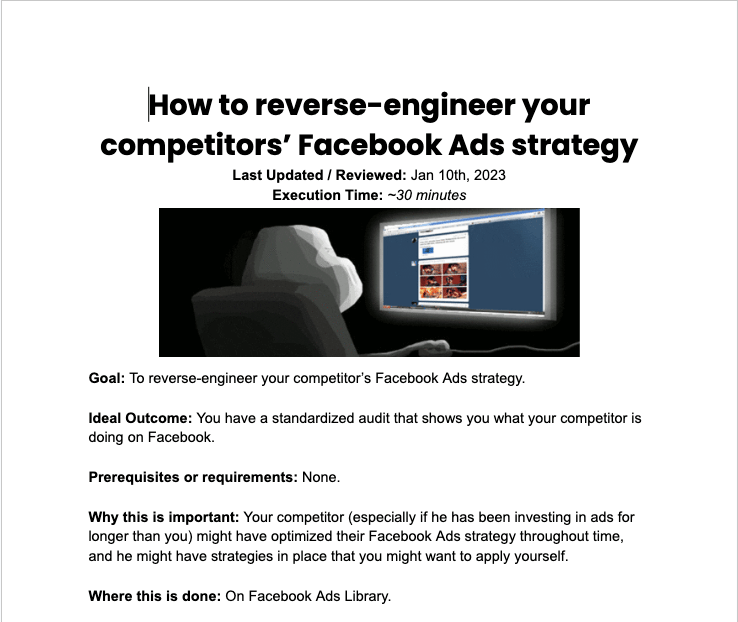
Or, if you just want some free advice, check out our SOPs (standard operating procedures).

Dedicated To Your Marketing Success

John

wollongong digital marketing

Digital Marketing FAQs

Digital Marketing FAQs

What are some creative ways to use Twitter for marketing?

Twitter is a great tool for marketing because you can use it to reach people who you know are interested in what you’re offering.

Before you start tweeting, you need to know your audience. You can do this by looking at what hashtags and keywords your target market has used in the past. Then, make sure that you’re using those same hashtags and keywords in your tweets. You should also have a consistent tone throughout all of your tweets.

One creative way to use Twitter for marketing is to create a challenge, like using a hashtag or posting a picture of yourself while doing something specific. This will get people talking about your brand and engaging with it!

Another way is to use Twitter as an opportunity for customer service: if someone has a question about your product or business, tweet them back quickly with an answer!

How can someone financially earn from online without a website?

There are many ways to earn money online without having your own website. Here are a few of the most common ways people can get started:

1) Freelance Writing

Freelance writing is a great way to earn income from home or on the go. Many websites, such as Upwork and Fiverr, will allow you to set up a profile and find clients who need content written for their blogs or websites. Keep in mind that this may take some time to get started and build your clientele.

2) Social Media Influencer

If you have an active social media presence, you can make money by promoting products on your page. Companies will pay you to post about their products because they know it’ll get them in front of a large audience.

3) Affiliate Marketing

Affiliate marketing is another way to make money by promoting products online. With affiliate marketing, you typically partner with a company and promote their products on your blog or website. When someone clicks on an affiliate link and makes a purchase, you receive a commission for helping bring in the sale.

What is the most profitable piece of digital content?

After aggregating the data from all of our campaigns, we found that our most profitable digital content was a series of articles about stress and how to reduce it. The articles focused on lifestyle changes and easy DIY projects, as well as providing a list of resources for readers to use in order to learn about stress reduction techniques that might work for them.

What are some effective strategies for boosting my ad campaigns?

It can be hard to know where to start when you’re trying to boost your ad campaigns. Here are a few things that have worked well for us:

1. Check your landing page. Make sure it’s converting visitors into leads and sales at the rate you’re expecting. If it’s not, fix it! You might have a broken link or something else that needs to be fixed on the page.

2. Expand your reach. If people aren’t clicking on your ads, try putting them in front of a bigger audience! See if that helps you get more clicks and make more money.

3. Try different keywords, or an alternate copy for your ad. Sometimes you just need to adjust your approach before you see results you’re happy with!

What is the difference between digital marketing and digital strategy?

The difference between digital marketing and digital strategy is the difference between a strategy and a marketing plan. While both deal with the same idea of how to use digital technology in business, they’re designed to serve two different purposes.

A digital strategy is meant to be an overarching document that lays out the ways in which your business will incorporate digital technology into its operations, and how it will adapt to changing market conditions. Think of it as a strategic plan for your business’ overall use of digital technology. Digital strategies typically include actionable steps for implementation and are used as guidelines for future planning.

Digital marketing is more specific, and is focused on implementing techniques for reaching out to customers through various online channels. Think of it as an operational plan for using these techniques. It includes goals, objectives, and metrics you’ll use to measure success—all things you’d also find in a digital strategy. But unlike a digital strategy, a digital marketing plan doesn’t typically talk about the overarching goals of your business, or ways in which your business will adapt to change—those are considered strategic points that should be included in the strategy itself, while a marketing plan focuses on specific tactics that can be implemented today.

What is increasing brand awareness?

Increasing brand awareness is a key component of a successful marketing plan. When you want to increase brand awareness, you are following the same steps as you would in developing any other strategy. In fact, developing strategies for increasing your brand awareness can be based on the same principles you use when creating any other marketing plan.

In order to increase your brand awareness, you need to first identify your target audience. What specific type of person are you trying to reach? It’s important that you know who your audience is, because that information will help you determine the type of campaign you want to run and how best to get those people’s attention.

Regardless of what type of brand awareness campaign you are running (targeted or untargeted), it is essential that you have a plan in place for how you will measure success. If your goal is to increase brand awareness, then keep track of how many people know about your company, product, or service. You may also want to keep track of how many leads or sales come from your campaign. The more leads or sales resulting from a campaign, the better job it is doing at increasing brand awareness.

What is market share?

Market share is something that’s very important for any company. It can tell you how successful your product is in the market and what percentage of the market your product has, among other things. Market share can be calculated by taking the total number of units sold and dividing it by the total number of units available.

If a company has a 30% market share in toy cars, they have sold 30 out of every 100 toy cars available. If they sell all 100, they have 100% market share.

How do you decide which marketing channels to use for your target audience?

We consider several factors when deciding which marketing channels to use for our target audience, such as the channel’s effectiveness, reach, and cost.

We find that email has the highest conversion rate of our available marketing channels. However, it is also the most costly.

Facebook ads have a low cost per click, but because of their widespread reach, we can choose to target only those individuals that are already interested in our products or services.

We also choose to use Google AdWords for some of our campaigns, selecting keywords that have a high click-through rate and low cost per click. This allows us to reach both existing customers and potential new customers who are already searching for our products and services online.

What is an aggressive marketing campaign?

An aggressive marketing campaign is one that generates buzz for a product or service, in order to increase sales. When a company launches a new product, it can be very difficult to generate interest in the item. An aggressive marketing campaign helps create a level of excitement around the product and build up anticipation for its release. This strategy is intended to increase sales and awareness of the item well before it releases.

The goal of an aggressive marketing campaign is to make consumers want something that they may not need or want. By creating a sense of urgency and importance around the product, companies are able to persuade people who may not have been interested in purchasing it in the past to purchase it now. An aggressive marketing campaign is similar to a publicity stunt or advertising scheme that promotes a product through controversy or shock value.

To be effective, an aggressive marketing campaign requires a high level of creativity and innovation. It must also take into account the potential impact on consumer attitudes towards the new product. When done right, an aggressive marketing campaign will generate hype and interest that builds up over time, so that when the product is released, people are eager to buy it.

How is digital marketing is effective for a business?

Digital marketing is the use of online tools to promote a product or service. This includes things like search engine optimization, social media, and email marketing. It has become increasingly popular among businesses because it has many benefits over traditional marketing methods such as print ads and television commercials.

There are many advantages of digital marketing, including:

-Digital marketing is more cost-effective than other types of marketing

-You can target specific audiences with digital marketing

-Digital marketing is more flexible than other forms of marketing

What is meant by the digital landscape and how is it useful for marketing?

In 2022, more than 85% of all digital purchases will be made on mobile devices. That’s a huge jump from just three years ago, when a mere 60% of digital purchases were made on mobile, and shows the rapid acceleration of mobile technology in today’s connected world.

The trend is clear, and it’s changing how we all interact with one another, how businesses are run, and how people conduct themselves in their daily lives.The “digital landscape” refers to the way that we use the Internet and mobile technology to connect with each other and conduct various business transactions. The phrase “digital landscape” is analogous to saying “physical landscape,” which refers to geographical features like hills, valleys, rivers, and lakes. Just as physical landscapes change over time due to weathering and erosion as well as volcanic eruptions or earthquakes, so does the digital landscape change due to new technologies such as drones, self-driving cars, and social media. These changes are sometimes sudden (think about the disruption caused by Twitter), but other times they can be more gradual (the increasing popularity of apps that help users find good restaurants in their area).
We are living in a time of constant technological innovation that affects our daily lives more than ever before.

Throughout the next decade, digital marketing will increasingly become the most important way to reach consumers. This is because of the rapid growth in technology adoption among people worldwide and the rapid expansion of internet access to developing countries.

In 2022, there will be three main ways that digital marketing will be used by businesses:

1. Digital advertising

2. Digital media management

3. Digital customer relationship management

The digital landscape is useful for marketing in 2022 because it provides businesses with a wide array of tools to help them reach their target audiences.

What are the best top 10 platforms to get free traffic for CPA marketing?

There are numerous different platforms to get free traffic for CPA marketing. We’ll go over the top 10 platforms and give you a brief overview of what each platform provides and why it’s great for your CPA campaigns.

#1: YouTube:

YouTube is the largest video sharing site in existence. It was founded in 2005 and has since grown to have more than one billion users. You can use YouTube with any CPA network, but the most rewarding method is using it with a Google AdWords campaign.

#2: Reddit:

Reddit is a social news aggregation website that has over 150 million visitors a month. It’s an excellent place to get traffic because there are several subreddits specifically geared toward CPA marketing campaigns.

#3: Facebook Groups:

Facebook groups are an excellent way to get traffic, as they are very popular in social media marketing communities. Facebook groups are also easy to set up, run, and manage. However, you need to be careful when using this platform because there is potential for negative branding if you aren’t careful about the type of content you post.

#4: Instagram:

Instagram is a free photo sharing app that allows users to post pictures and videos from their mobile device or directly from their computer. Instagram works well with a Google

#5: AdClickMedia:

AdClickMedia offers one of the most impressive selections of banner ads for you to use on your campaigns. Each banner has a unique animation and provides users with ample space for a website address or phone number call-to-action. This platform offers both US and EU traffic, so you can easily target all English-speaking nations with ease. You can also set up custom targeting based on keywords, countries, and even mobile devices. AdClickMedia also provides a rich variety of site lists to choose from when creating campaigns on their platform

#6: TrafficJunky:

This is a great platform to find high-quality traffic. You can get 1 million clicks each month free of charge.

#7. OnRaxx:

They specialize in driving traffic to your site, and they’re always looking for great offers. You can get 100 clicks per day free of charge with them.

#8: BuzzStream:

This is one of the most powerful tools for link building, giving you a huge advantage over your competitors in SEO. You can get 10 links from high-ranking blogs every month free of charge if you want to sign up with them.

#9: TrafficPayMaster:

This is a great tool to help you track your campaigns accurately, and they give you 250 clicks free of charge each month.

#10: Adpushup:

This is a good choice if you want your CPA landing pages to look professional, keeping users engaged and increasing conversions. They give you 2 free landing pages each month when you sign up with them.

Dedicated to Your Marketing Success

John

wollongong digital marketing

Call Now Button